
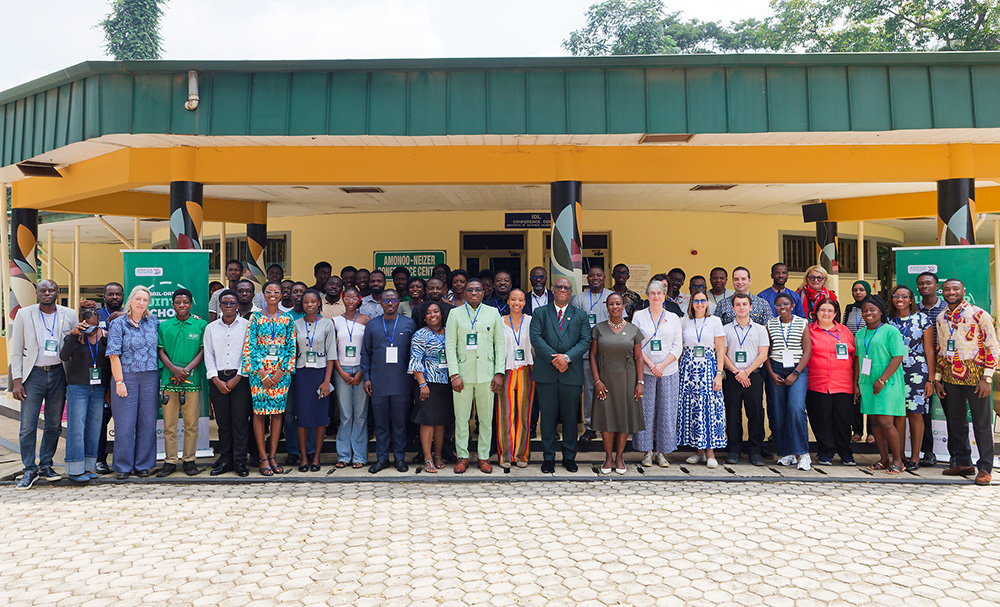
The Artificial Intelligence for Sustainable Development (FEF-AI4SD) project at the Kwame Nkrumah University of Science and Technology, Kumasi (KNUST), has developed AI applications for healthcare, agriculture, energy and disability support while strengthening local research capacity.
The outcomes were presented at a closing programme for the two-year initiative, implemented through collaboration among KNUST’s Responsible Artificial Intelligence Laboratory (RAIL), the Ghana Atomic Energy Commission (GAEC), Université Paris-Saclay and the French Embassy in Ghana.
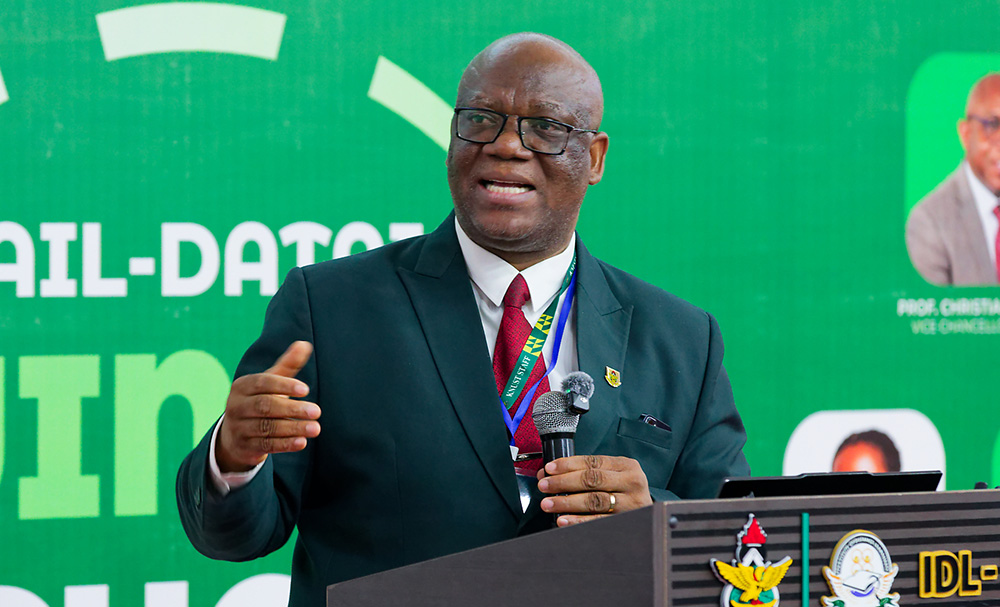
Principal Investigator and Director of RAIL, Professor Jerry-John Kponyo, said the project sought to translate AI research into solutions that addressed practical needs.
“AI4SD was created to take artificial intelligence out of the laboratory into real life,” he said.
Professor Kponyo highlighted applications developed across health, agriculture, energy, education, environmental management and assistive technology. These included SignTalk, a tool designed to support communication between healthcare professionals and people who use sign language, alongside assistive technologies such as iWheel, iSee and iHear.
“Other research outcomes included AI applications for crop disease detection, electricity demand forecasting and water filtration. The project also supported robotics and coding activities for schoolchildren, alongside efforts to strengthen the skills of students, teachers and researchers,” he said.
He acknowledged the support of the French Embassy in Ghana, KNUST, GAEC and the participating research teams, describing their collaboration as central to the project’s achievements.
“The true legacy of this project is not simply what we have accomplished during the implementation, but what our institutions, researchers and future generations will continue to accomplish because of this project,” he said.
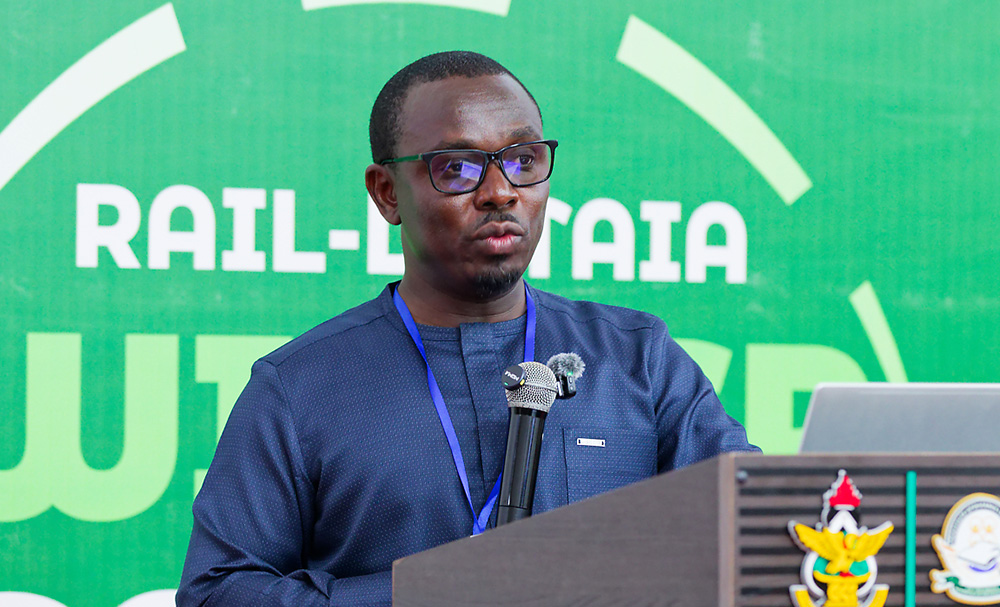
Professor Francis Hasford, Deputy Director-General of GAEC, said the effective use of AI in developing countries depended on solutions informed by local needs and expertise.
“This opportunity can only be realised when AI tools are grounded in local data, local expertise and local priorities,” he said.
He highlighted GAEC’s work under the project in crop health monitoring, agricultural yield prediction and AI-assisted biomedical and epidemiological research.

Head of Cooperation at the French Embassy in Ghana, D. Cothière, said the project demonstrated the importance of connecting research, education and innovation while placing local communities’ needs at the centre of technological development.
She said France and Ghana shared an ambition to ensure that AI made a meaningful difference in people’s everyday lives.
“Our ambition has been to encourage a generation that does not simply consume technologies developed elsewhere, but has the knowledge and confidence to create its own,” she said.
Ms Cothière highlighted the project’s contribution to education and capacity building through robotics clubs, the AI4SD Robotics Challenge and initiatives such as SheCodes, which encouraged girls and young women to explore coding and AI.
She cautioned that the benefits of AI must be accessible to all, saying the technology could reinforce existing inequalities without deliberate efforts to promote inclusion. She also called for continued support and collaboration to sustain the project’s achievements.

Dr Daniel Adjei of Université Paris-Saclay said the initiative had strengthened research capacity and scientific cooperation between Ghanaian and French institutions.
He said training programmes, scientific exchanges and research partnerships had helped students and young researchers develop practical skills in AI, computational modelling and data-driven research while gaining international experience.
Dr Adjei also stressed the importance of multidisciplinary collaboration in addressing scientific and societal challenges. He urged the partners to build on the relationships established through joint research, postgraduate training, scientific exchanges and further funding opportunities.
He called for a shift from short-term, project-based engagements towards sustained institutional partnerships founded on mutual trust, shared responsibilities and recognition of each partner’s contribution.
Story: Abigail Ofori Photos: Michael Kwawu


